The Inequities

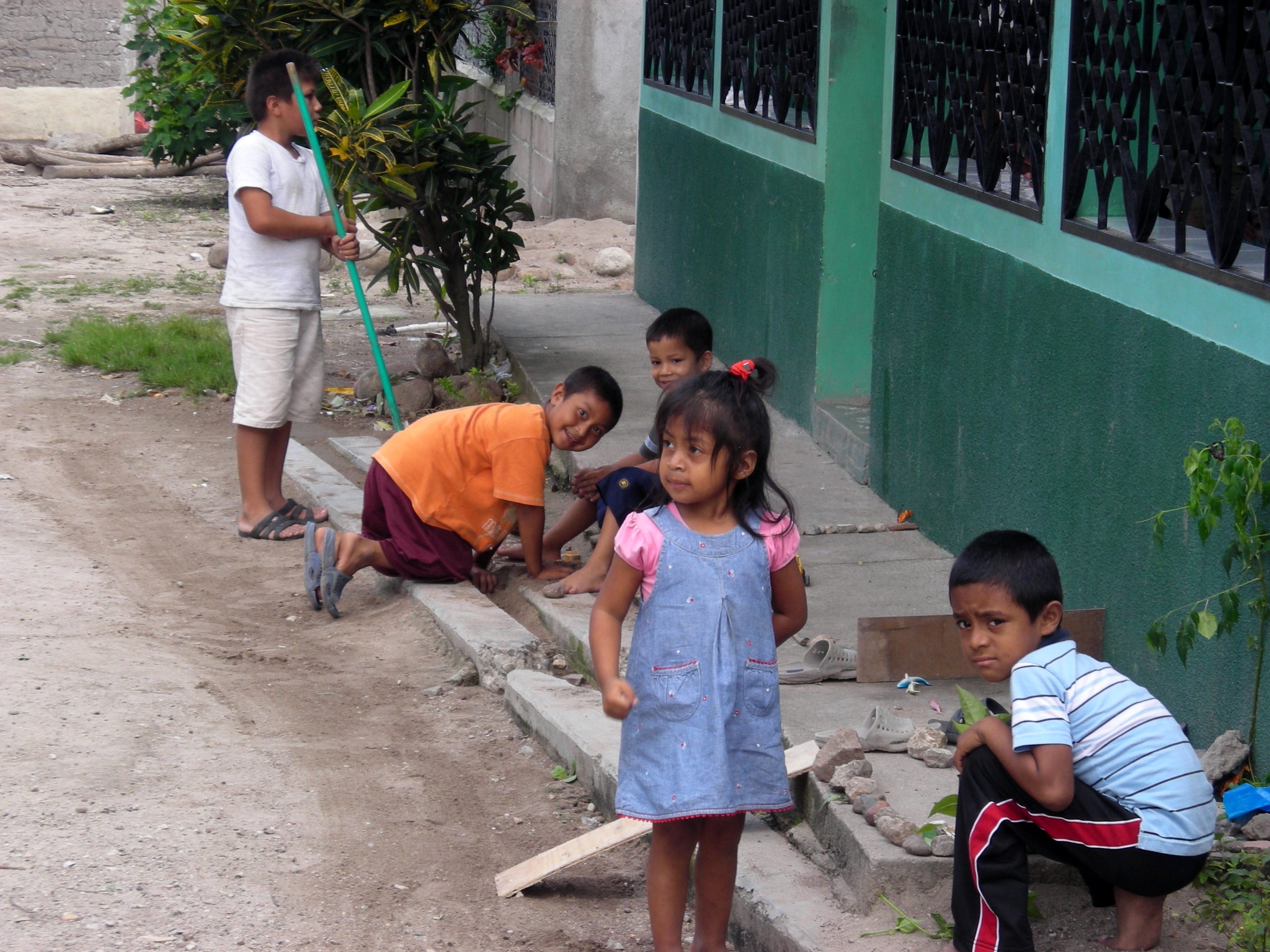
Honduran Children Outside

I grew up blissfully believing that “life was fair.” I have many memories of my grandmother giving my brothers and me equal amounts of gifts, wanting everyone to have the same. It wasn’t until I was an adult, and more notably, after visiting Honduras that I really became aware of the inequities of life.

After visiting Honduras, I realized how blessed I was to be born in the United States. I don’t always feel proud, but I certainly feel blessed.

Others often question why we volunteer in Honduras, saying there’s so much need in the U.S. We certainly don’t discredit this and don’t believe it should be an either/or choice of involvement. But, there is a huge disparity. Honduras doesn’t have the “safety net” that the U.S. offers. They do no not have a medicaid system, homeless shelters or food pantries which we have. When you are admitted to a public hospital, you are responsible for everything from your own medications and blood to toilet paper. If you are accompanying a patient, don’t think you’ll be sleeping on a pull-out chair, you may have the chance to sleep on the blood stained floor.

Attending schools in Honduras is often a priviledge, not an expectation. In the U.S. we  deal with truancy, in Honduras, they are grappling for the opportunity
A Missed Childhood…

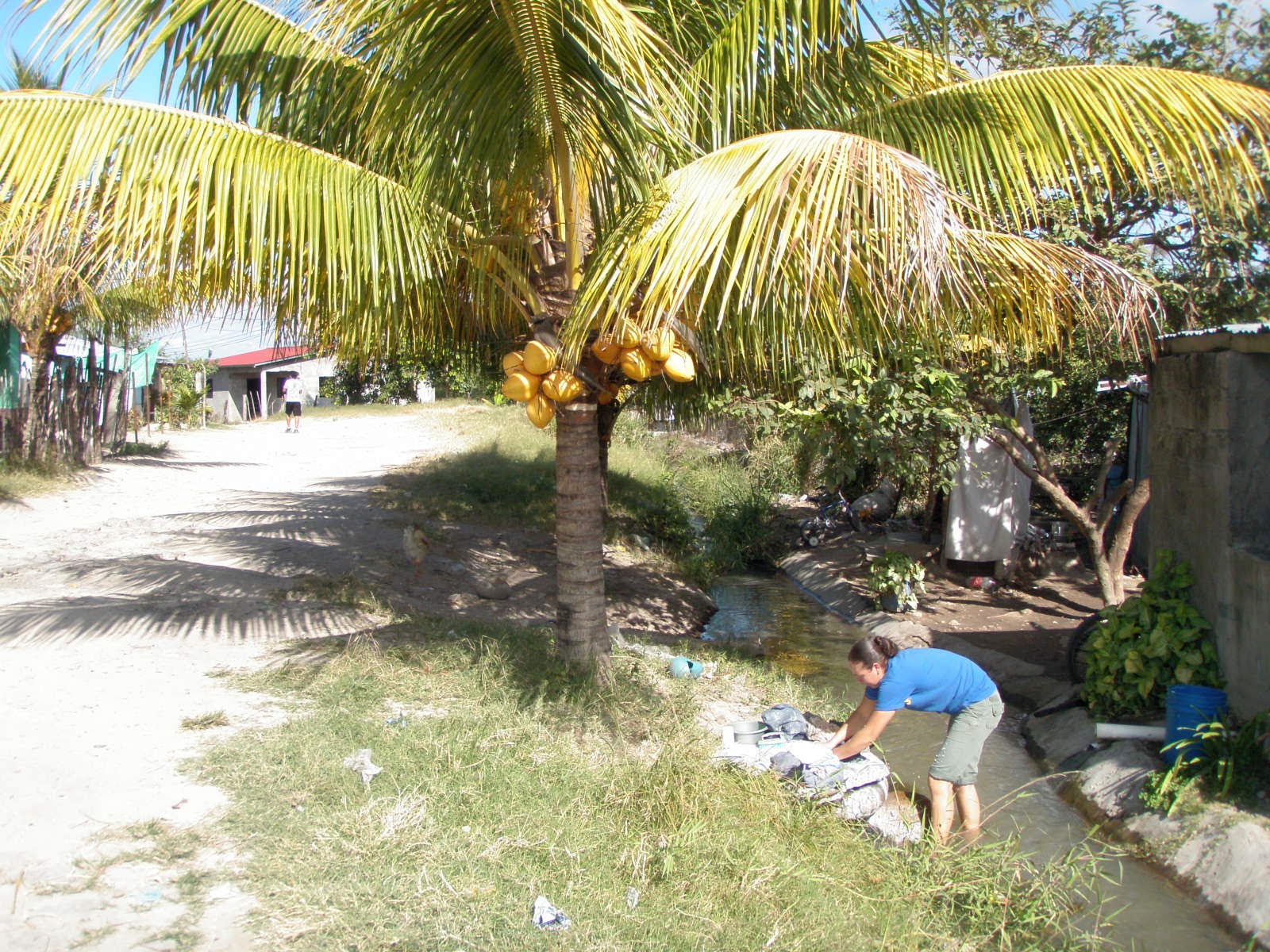
Woman Washing Clothes
Last week, I visited a 13 year old Honduran girl who is here in Boston at Shriners Hospital, being treated for burns. Dania is here without family, as is often the case, having to face surgeries alone. Not only has she been dealing with terrible burns, she also suffered the traumatic loss of having her beautiful, long hair shaved, so that the doctors could use some of her skin for grafting.

I accompanied two women who have befriended Dania, and offer her love, attention and home-cooking. They shared her story with me…

Dania is one of 12 children and has never had the opportunity to attend school. She cannot read, write or name colors. What struck me the harshest is when they described, “she’s never had the chance to play.” Such a shocking reality of life for many growing up in Honduras. Pre-schoolers are active contributors around the house. Older children often work outside the home, doing hard manual labor in order to earn a few “lempiras” (money) for their families.

Dania has missed the chance for a childhood because she has been the one in her family who is responsible for cooking. I have such fond childhood memories of “playing house” or “playing school”…Dania wasn’t playing.

The Honduran Pace Of Life

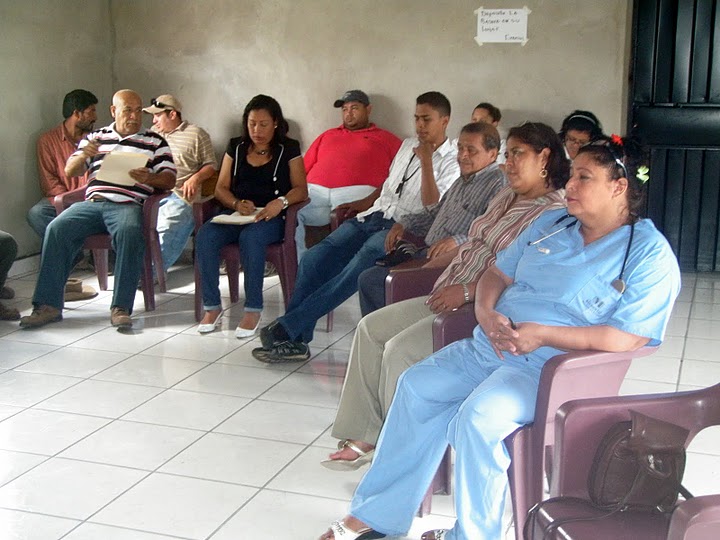
People at a clinic waiting

“Honduran time.” Anyone who has traveled to, or lives in Honduras, knows what I am talking about. This is something I embrace and struggle with every time I’m there. On the one hand, it can drive me crazy standing on the side of the road, waiting for a bus. There isn’t a real schedule, it “comes when it comes.” We may be headed into the city with a list of items we hope to accomplish. Inevitably, we won’t get it all done. It may be that the internet is down, the lawyer is out of legal paper, or someone is on strike. It can be terribly frustrating…

Thankfully, these feelings are contrasted by the pleasures of slowing down. I never experience the stress in my neck, and spend much more time “being” rather than “doing”. Often times the heat forces you to slow down and take more time for leisure. We certainly spend more time visiting with neighbors and friends…in the end, the pace is a “gift.”

The Resiliency of the People

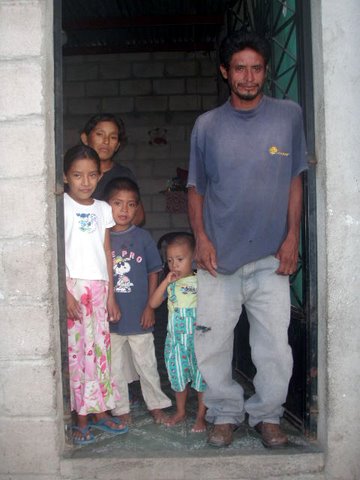
Honduran Family

It has been ten years since our journey to Honduras first began. During that time we have tried many things, made many mistakes and learned a great deal. One thing that stands out boldly is the resiliency of the Honduran people.

In this third world country, where the majority are living well below the poverty line; most lacking proper housing, medical care, educational opportunities and even clean water, they remain resilient.

Living life, facing daily struggles, is their norm. Many of our neighbors live day-to-day, meal-to-meal. Perhaps this is how they are able to “live in the moment”, not wasting their energy worrying about tomorrow or the “what if’s” of the past.

It seems to me that people living in poverty are faced with insurmountable challenges. We witness families having to decide whether to purchase medicine or food…they can’t afford both. We know people who work in deplorable conditions in order to earn a few meager dollars.

Accidents and early deaths are common. Whether it’s riding in a run down bus or car, prone to crash. Or living in a home without electricity where the occurrence of burns is high because of accidents with candles or open fires. We’ve known of children dying in pillas (used for washing), rivers, and being hit on the highway, crossing for school. This is life.

And yet, I never hear complaints…pleas for help perhaps, but no sense of entitlement. My dear friend, Ana said simply, “why wish for something you don’t have? I don’t miss it because I never had it.” So simple.

Facing daily adversities certainly makes the people strong…physically, emotionally, spiritually. We will continue to learn by our Honduran friends, and it will be humbling.

The Luxury of Vacation

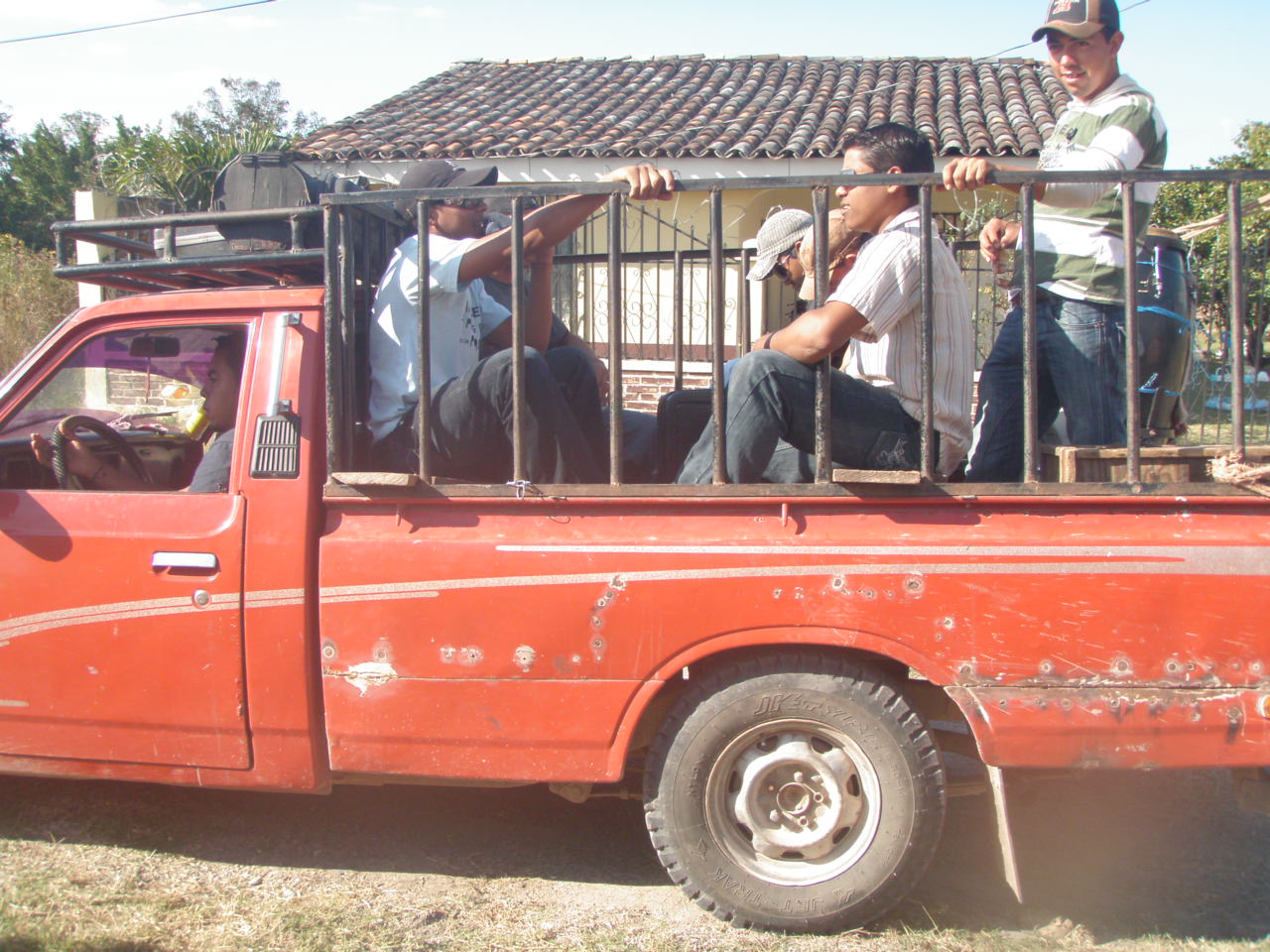
Honduran Workers

As I sit here on the beach at Hilton Head, S.C., I think of the people in Honduras. It doesn’t matter where I am, every day they are on my mind and in my heart. Today it strikes me because I’m on vacation and I think what a foreign concept that is for most Honduran people.

They struggle to find work, no matter what the conditions and how limited the pay. Others strive for the opportunity to attend school, if their families can afford their uniforms and can get by without them contributing income.

And here I sit, watching the ocean and thinking of my friends who are dealing with the hottest month of the year, wondering if they will have the opportunity to find a cool place to refresh.

Fortunately, guilt is not consuming me. Instead, through the years of working in Honduras, I have learned to appreciate everything! Not just affording a vacation, but every day simplicities such as a clean shower or the ability to open my medicine cabinet and find what’s needed. We are blessed

Saying Farewell to Berenice and Astrid

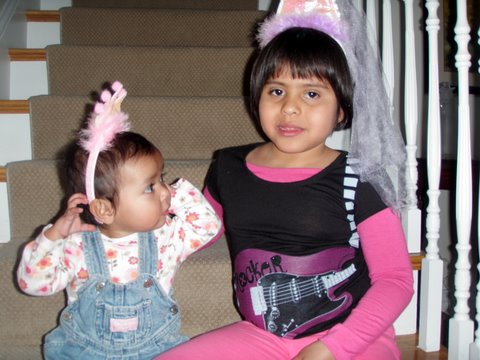
Astrid and Berenice

One of the most frequent questions I am asked while being a foster mom/temporary legal guardian is, “how do you let the children go? ” Many follow-up with, “it would be too hard for me” or “I would just want to keep them.”

In the past four days, I have sent one year old Berenice and six year old Astrid, home to their families, in Honduras. Berenice was here for only six weeks, but it was a very intense period of time because she underwent a heart catheterization and open heart surgery, spending more than a week in the pediatric intensive care unit at Tufts Medical Center. There were some very frightening moments during Bee’s stay in the hospital, and I often thought of her family far away, and how fortunate I was that they trusted me with her care.

Astrid was here for four months, and was hospitalized for two surgeries on her foot. Although the surgeries were less frightening for me, the months of having a young child in a full length (non weight bearing) cast were fairly demanding. During this time, Astrid did not complain once of the inconvenience or pain she endured. Not only could we witness the physical changes, we watched her master the English language and grow emotionally and academically.

Although “the girls” really became a part of our family, I have such a sense of peace in saying “farewell” to them. I really believe that I have done what I was “called to do”, and am now sending them back, to where they truly belong. It is also reassuring knowing that I will see them in June, and they will forever remain in our hearts.

Lessons From Children

This evening, I called Berencie Elizabeth’s family in La Lima, Honduras. Berenice has been living in our home for one week. Although, I have talked with her extended family in the States and our pastor/friend, Martha Garzon, has  has been in direct contact with the family, I thought it would be nice for the family to hear from Berenice’s temporary foster family, in the home she has been entrusted.

Berenice’s mother, Sara, answered the phone and I attempted to introduce myself. At best, my Spanish is limited and I will struggle through, if there is nobody there to “bail me out.” However, tonight, Astrid (6 years old), a fellow Honduran, could hear my struggling attempt, and quickly grabbed the phone to intercede, explaining “mi madrina no habla mucho espanol.” (my Godmother doesn’t speak much Spanish).

Astrid continued a half an hour conversation with Berenice’s mother, updating her about Berenice’s every day happenings…what she was eating, how she was sleeping and when she was going to the hospital. Berenice’s mother proceeded to teach Astrid a lullaby she sings to Berenice, which Astrid taught to us, and I sang Berenice to sleep tonight.

Astrid has been in our lives for the past four and half years, and has truly become a member of our family. She is an incredibly bright, engaging and empathetic child. It is such a rewarding feeling watching Astrid’s physical, emotional, and educational development, and witnessing her use the gifts to aid another child, and her family. “Our” children truly can be our greatest teachers.