How do they adapt to living in two different cultures? We have hosted a baby as young as 11 months, many school aged children, a 19 year old young woman and a middle aged man, while they have received medical treatment. They have stayed for as little as six weeks and as long as six months. We often wonder how they acclimate to life in the U.S., and how they re-adjust to life back home in Honduras.
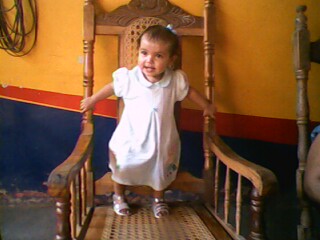
Recently we hosted 11 month old Berenice. She arrived to us with a serious heart defect. I cannot begin to imagine what her parents went through emotionally, handing her off to a nurse who would transport her to us…a family they had never met, living in a foreign country. People often question, “how could they let their child go?” My response is, “this is there only hope for keeping their child alive.”
Berenice arrived to us having been solely breast fed. Those first few days were quite challenging, offering her every type of formula and milk in all types of bottles and sippy cups. At last we discovered juice in a glass was what she’d tolerate…she loved the way her new teeth clanked on the glass! Soon we began introducing every type of food…so much for one new item at a time, this was full immersion.
Not only was food a new thing to become accostomed to, so was sleep. No longer was she snuggled in bed with others or perhaps sleeping in a hammock. She was now offered her own crib, in a room by herself. It became my husband’s nightly routine to sing her to sleep with a Willie Nelson tune.
Along with food and sleep, we all looked different, spoke in a different language and lived in a much different climate. It was amazing to see how quickly Berenice acclimated. Soon she was calling me “Mama” and learning to wave “bye bye” and play “peek-a-boo!”
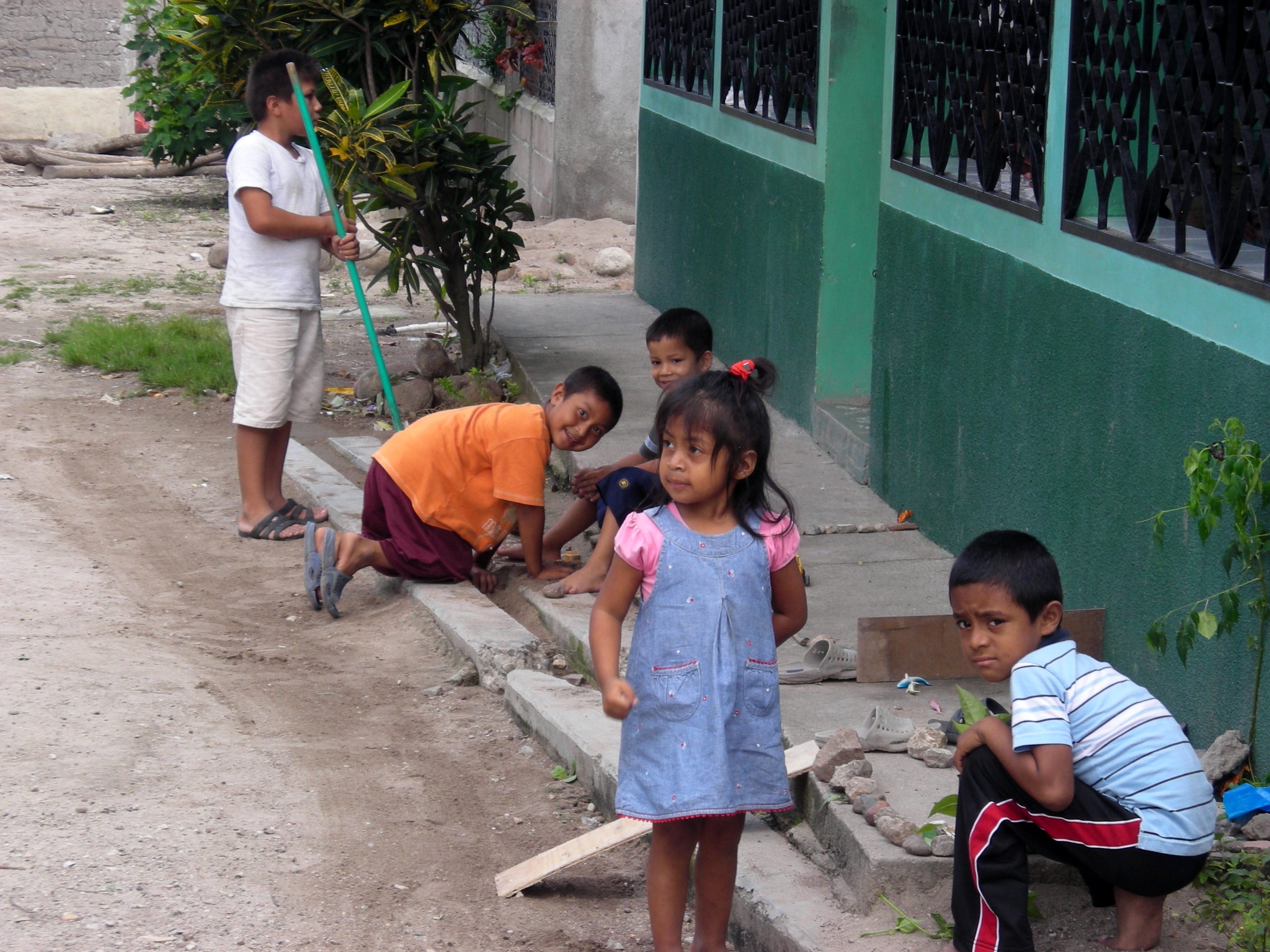
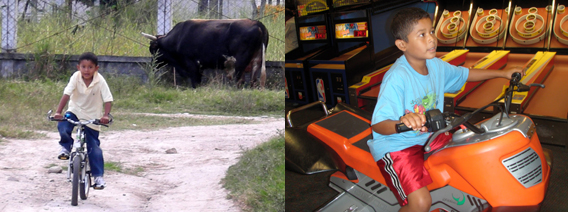
The other children have adapted equally as easily. I am astounded how quickly they try new foods, master electronics, and even learn that it’s safe to flush toilet paper! It is a rare occassion that they become tearful and express missing their families back home. I often reflect to being a six year old girl, attending a week long day camp, in the next town over, and being extremely homesick!
Pleasantly, eveyone who has stayed with us wants to go home. They miss their families, friends and culture. It certainly has made our “farewells” easier, knowing they are returning to someone and something they love.