Receiving a cancer diagnosis is an overwhelming, life altering experience. Shock, fear and uncertainty are among the initial responses. When you receive the news in Honduras, it is compounded by the reality “is treatment available?” and if so, “how will I be able to afford it?”
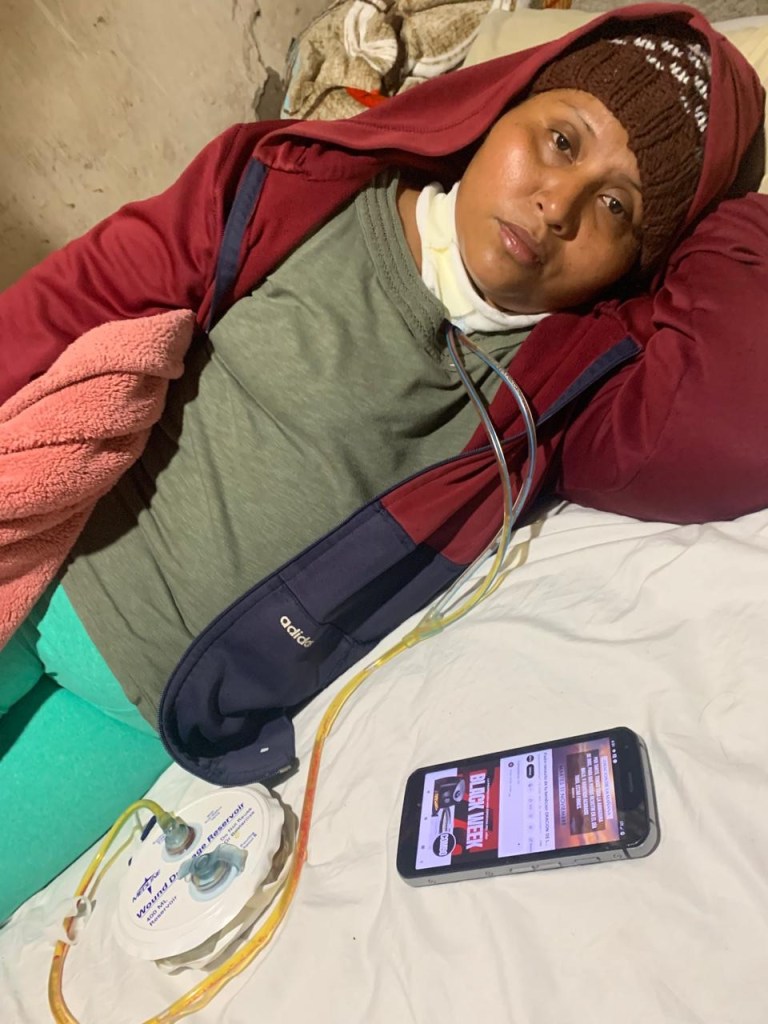
We were recently introduced to a young mother in her 30’s who had been diagnosed with thyroid cancer. Eighty percent of cancer patients in Honduras may not receive proper treatment because they often wait to seek help, and the disease has advanced, therefore resulting in a low cure rate. Also, there is restricted access to specialized care due to limited PET scans and MRI’s.
Although thyroid cancer is quite treatable, it is only available at two public hospitals in major cities, prohibiting access for patients living in remote areas. San Felipe in Tegucigalpa is in the process of establishing the first public nuclear facility in the country.
Private clinics may have radioactive iodine but it is cost prohibitive to most, and often considered subpar to the treatment available in El Salvador.
Our patient first sought medical care at San Felipe where they performed a lymphadenectomy, removing six nodes. Public hospitals provide medical care which is technically “free” but patients are still responsible for medical supplies (IV fluids, catheters, gloves, bandages, blood, and on occasion, oxygen), medications, specialized tests, food/hygiene items (food, water, bedding, toilet paper). Martha’s family was able to cover the costs for this portion of the treatment but the cost of radioactive iodine therapy was beyond their means.
I cannot imagine the added emotional toll this takes on the patient and family. You have cancer, there is treatment available but you cannot afford it. Far too often patients die due to their economic status. Thankfully, one of Esperanza’s supporters (who is the mother of a cancer survivor) agreed to cover the costs. Martha’s family drove her to the border of El Salvador where they met a representative from the hospital. Prior to receiving the radioactive iodine, the bill was paid in full. She stayed in the hospital for three days, returned to Honduras where she spent 15 days in isolation.
Martha’s recovery prognosis is quite positive, and she is so grateful for the support. We hope access to healthcare improves, medical equipment and treatment options are updated, and anti-corruption measures are put in place so more lives may be saved.
 Esperanza - Hope For The Children